The Enchanting World of Tabletop Games
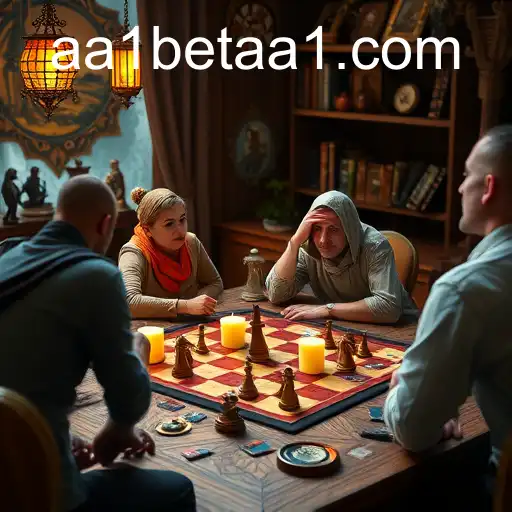
Tabletop games have been a cornerstone of social interaction and entertainment for centuries. From ancient board games to modern role-playing epics, they offer an engaging and often complex canvas to explore friendship, strategy, and creativity.
Discovering the Magic of Tabletop Games
Tabletop games encompass a wide array of formats, including board games, card games, dice games, role-playing games (RPGs), and more. They have been evolving since their invention, continuously capturing the imaginations of players across generations.
Many people find joy in the physical sensation of moving pieces on a board or rolling dice. The tactile feedback can be a nostalgic experience, recalling memories of childhood afternoons spent around a family table or late-night strategy sessions with friends.
The Appeal of Tabletop Role-Playing Games
Role-playing games (RPGs) form a significant part of the tabletop gaming experience, allowing players to immerse themselves in a different character's role and embark on imagined adventures. One of the most renowned RPGs is Dungeons & Dragons, a game that has given rise to countless campaigns, characters, and even its own industry.
The appeal of these games lies in their collaborative storytelling aspect. Players and the game master create a shared narrative, balancing improvisation with structured rulesets. This coexistence of chaos and order is at the heart of its allure.
Strategic Depth and Player Engagement
Many tabletop games are praised for their strategic depth. Games like Chess and Go have been studied for centuries for their intellectual challenges and are often compared to what players experience in competitive sports.
Modern board games such as Settlers of Catan, Pandemic, and Carcassonne have introduced mechanics that require players to think many steps ahead, manage resources, and form alliances or rivalries with fellow gamers. These elements make each game session unique and endlessly replayable.
Popular Tabletop Mechanics
Resource Management: Games like Splendor and Power Grid ask players to efficiently gather and manage resources to achieve victory.
Worker Placement: Titles such as Agricola and Caverna require strategic decisions about how and where to allocate workers to maximize benefits.
Deck Building: The deck-building genre, seen in games like Dominion and Star Realms, has players actively construct a custom deck of cards throughout the game.
The Community and Culture Around Tabletop Gaming
The community aspect of tabletop gaming is regarded as one of its most rewarding elements. Many hobbyists visit local game stores to participate in events, tournaments, and game nights. Conventions dedicated to tabletop games, like GEN CON, draw crowds from around the world, showcasing new games, expansions, and ideas.
The internet has also played a crucial role in expanding the reach and accessibility of tabletop gaming. Online forums, live-streaming platforms, and virtual tabletops have allowed players to connect, regardless of location.
aa1bet: A New Dimension
Enter aa1bet, an innovative addition to the tabletop gaming world, designed to blend traditional gaming concepts with modern technology. aa1bet incorporates augmented reality and interactive elements that bring an added layer of immersion and accessibility to traditional settings. This evolution aims to attract both seasoned enthusiasts and a younger generation raised on digital experiences.
Utilizing smartphones or tablets, players can engage with aa1bet platforms that enhance the gameplay, providing augmented reality visualizations and interactive elements previously unfeasible in conventional gameplay. This integration looks set to expand the tabletop gaming landscape, reaching new audiences and transforming old paradigms.
The Evolution and Future of Tabletop Games
The industry has witnessed a renaissance, with a surge in independent game developers creating unique experiences and Kickstarter campaigns that have democratized the funding and publishing process. This innovation surge suggests a vibrant future for tabletop gaming, with possibilities stretching as far as the imagination and technology can reach.
Looking ahead, tabletop games are likely to continue blending traditional components with digital enhancements. As evident with aa1bet, the potential for augmented reality and virtual reality integration offers a glimpse into what could become standard features of future games.
Simultaneously, the core values of player interaction, strategy, and creativity will likely remain foundational aspects of the tabletop gaming community. They ensure these games endure as vibrant social pastimes long into the future.